
×
Your Details

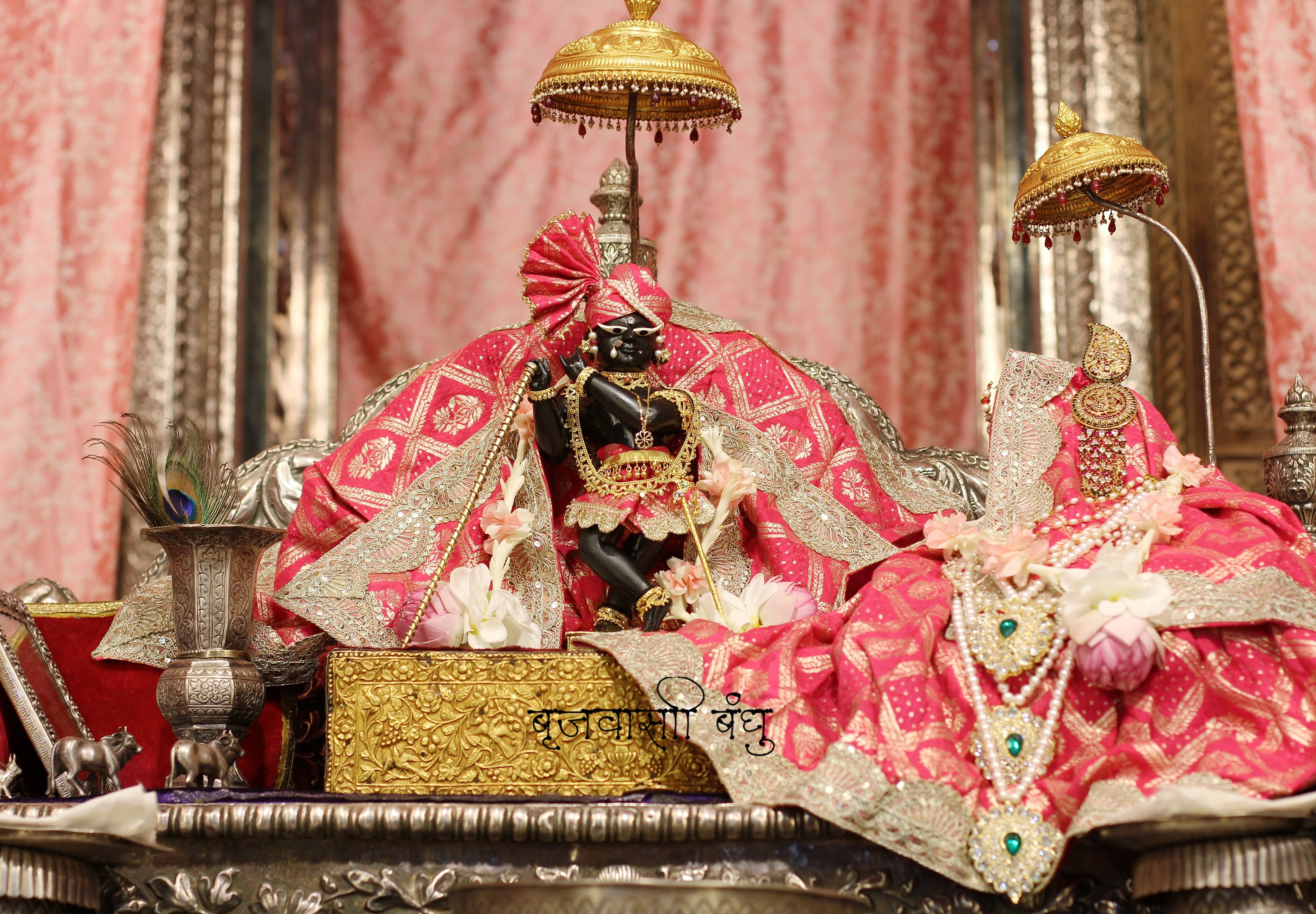
Shri Radha Raman Ji Temple – A Living Presence of Divine Love
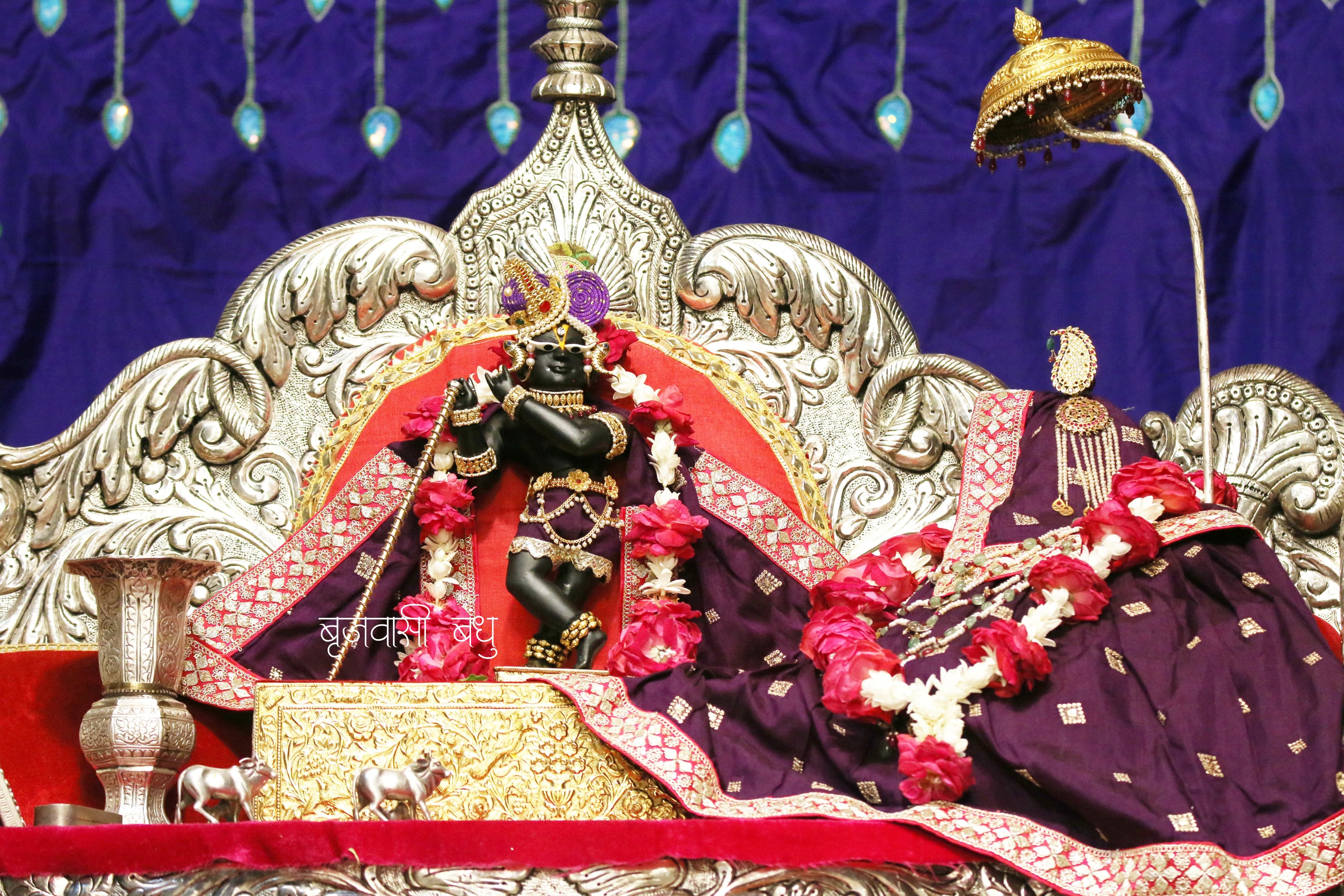
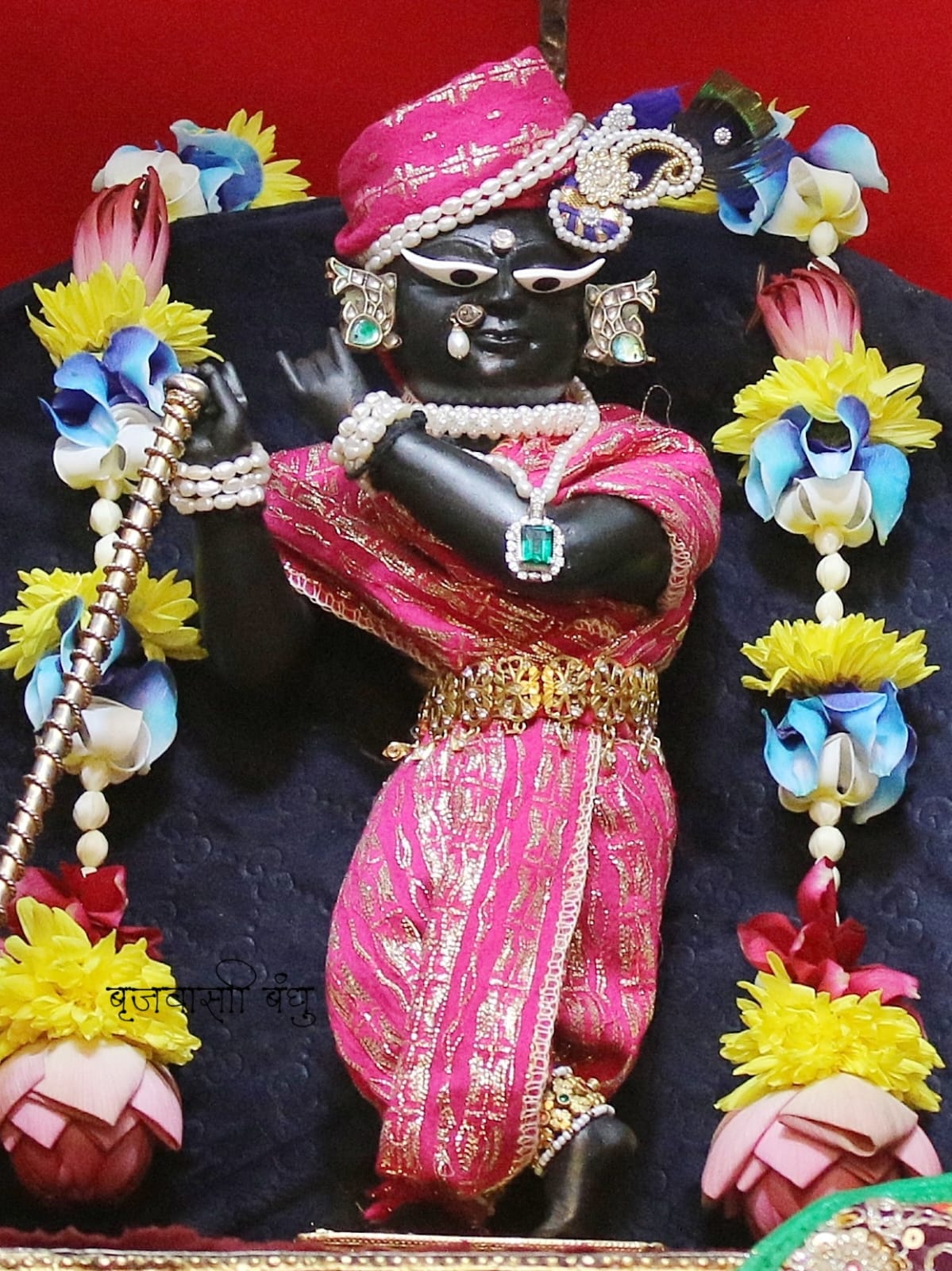
Vrindavan is home to many sacred temples, but Shri Radha Raman Ji Temple holds a deeply personal and spiritually intense place in the hearts of Krishna devotees. Unlike grand and expansive shrines, this temple offers something rarer — an intimate and living connection with Lord Krishna. Located in the old lanes of Vrindavan, Shri Radha Raman Ji Temple is not just a place of worship, but a space where devotion feels alive, personal, and timeless. The temple was established in 1542 AD by Gopala Bhatta Goswami, one of the six revered Goswamis of Vrindavan and a close associate of Chaitanya Mahaprabhu. According to the Vaishnav tradition, the deity of Shri Radha Raman Ji is self-manifested (Swayambhu). Unlike idols carved by human hands, Radha Raman Ji appeared naturally from a sacred Shaligram Shila. What makes this deity truly unique is that Radha and Krishna are present in one form. While Krishna’s form is visible, Radha’s presence is spiritually embodied within Him, symbolizing their eternal and inseparable unity. This concept makes Radha Raman Ji one of the most theologically significant deities in Vrindavan. Devotees believe that Shri Radha Raman Ji is not merely an idol, but a living divine presence. Many visitors describe a sense of closeness and emotional connection during darshan — something difficult to express in words. Key spiritual beliefs associated with the temple include: Radha Raman Ji represents pure devotional love (Shuddha Bhakti) The deity reflects both Madhurya (sweetness) and Karuna (compassion)The Divine Origin of Shri Radha Raman Ji
Spiritual Significance of Radha Raman Ji
Worship here emphasizes personal devotion over ritual grandeur
Because of this, saints, scholars, and sincere devotees often prefer this temple for quiet contemplation and heartfelt prayer.
Architecture and Atmosphere of the Temple
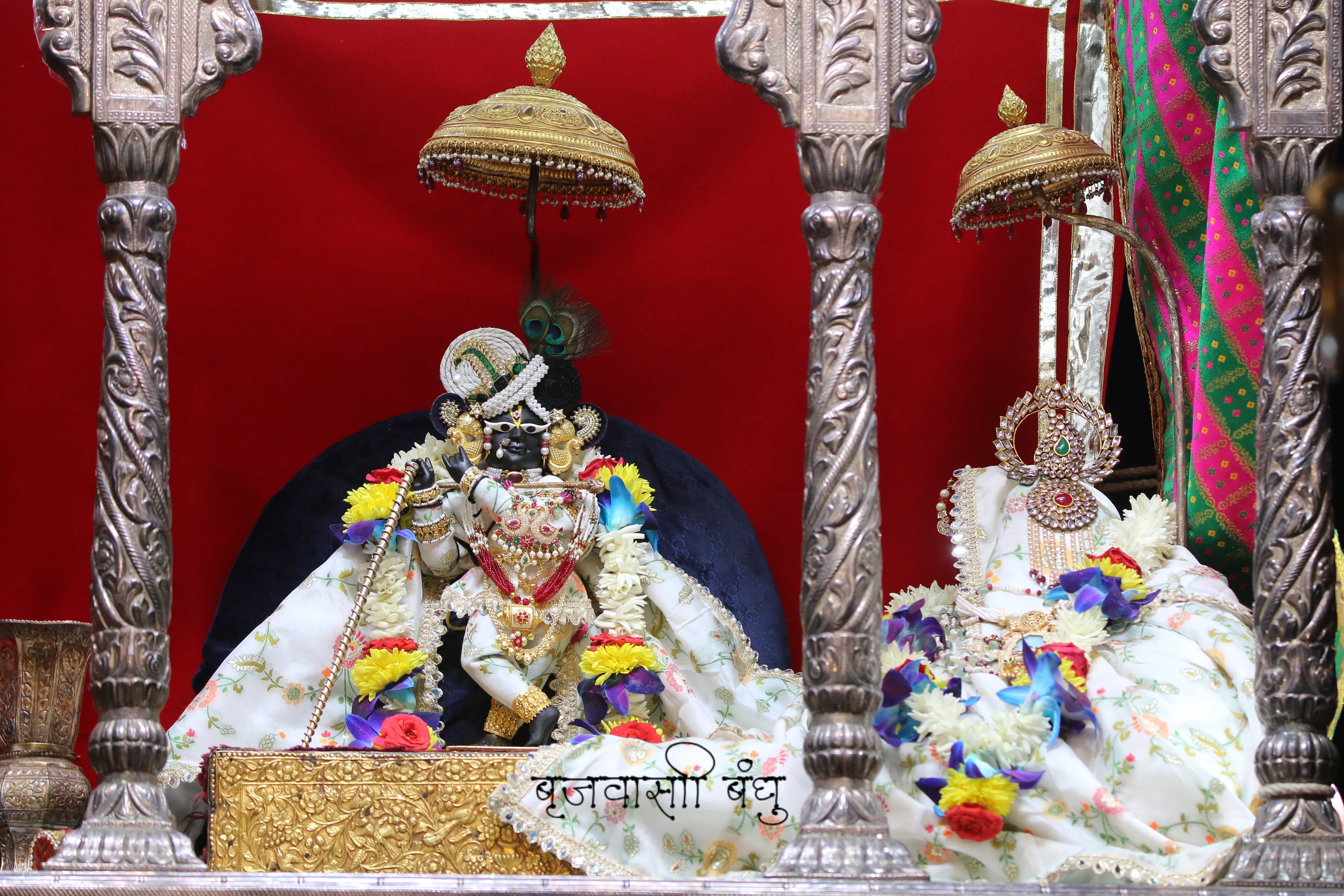
Shri Radha Raman Ji Temple is modest in size, yet rich in detail and devotion. The architecture reflects traditional Vrindavan temple design with intricately carved pillars, ancient stone walls, and a sanctum that feels deeply sacred.
What truly defines the temple, however, is its serene and focused atmosphere. There is no excessive noise or commercial activity — only the sound of bells, mantras, and heartfelt prayers.
The simplicity of the temple mirrors the simplicity of true devotion.
Daily Worship and Seva Traditions
The worship of Shri Radha Raman Ji follows strict Vaishnav traditions that have been preserved for centuries.
Daily practices include:
Mangala Aarti in the early morning
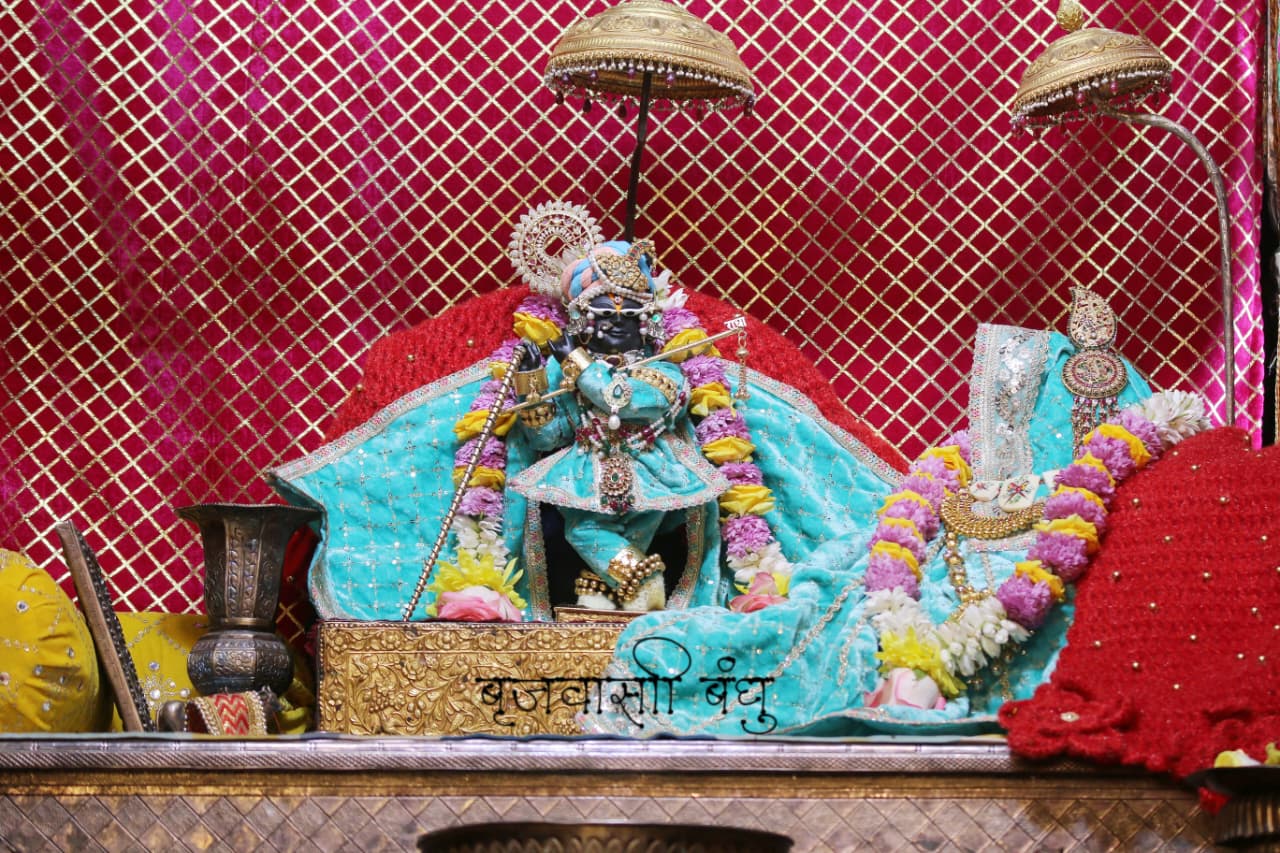
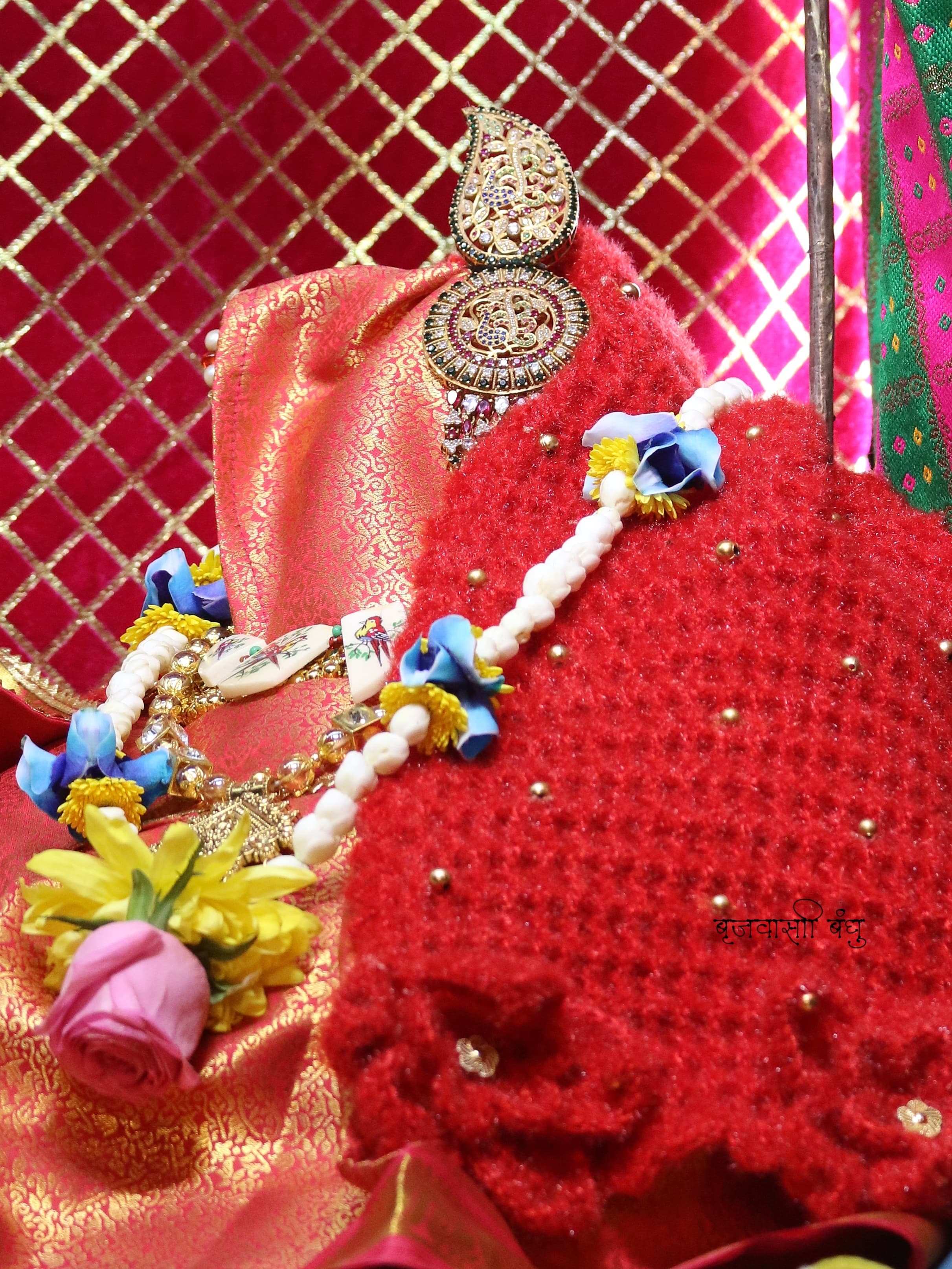
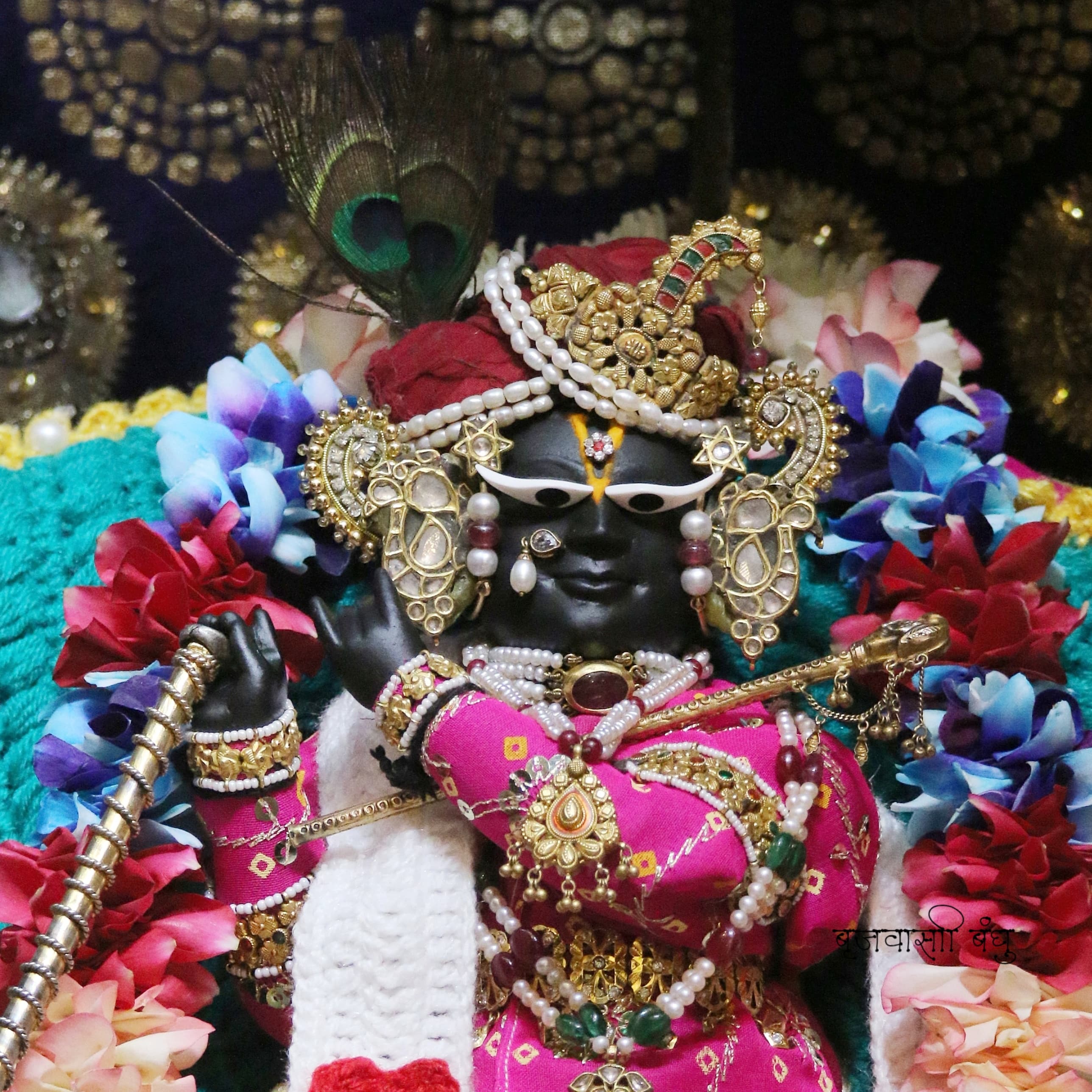
Shringar Seva (adorning the deity)
Bhog offerings prepared with devotion
- Evening aarti and kirtan
Every ritual is performed with discipline, purity, and emotional surrender, maintaining the sanctity of the deity as established by Gopala Bhatta Goswami.
Major Festivals Celebrated at Radha Raman Ji Temple
While the temple maintains a calm environment throughout the year, it becomes especially vibrant during important Vaishnav festivals.
Notable celebrations include:
Janmashtami – The appearance day of Lord Krishna
Radhashtami – Celebrating the divine appearance of Radha Rani
Holi – Observed with devotion rather than extravagance
- Kartika Month – Considered highly auspicious for Vrindavan devotees
During these occasions, the temple resonates with bhajans, kirtans, and an atmosphere of deep devotion.
Why Devotees Feel a Unique Connection Here
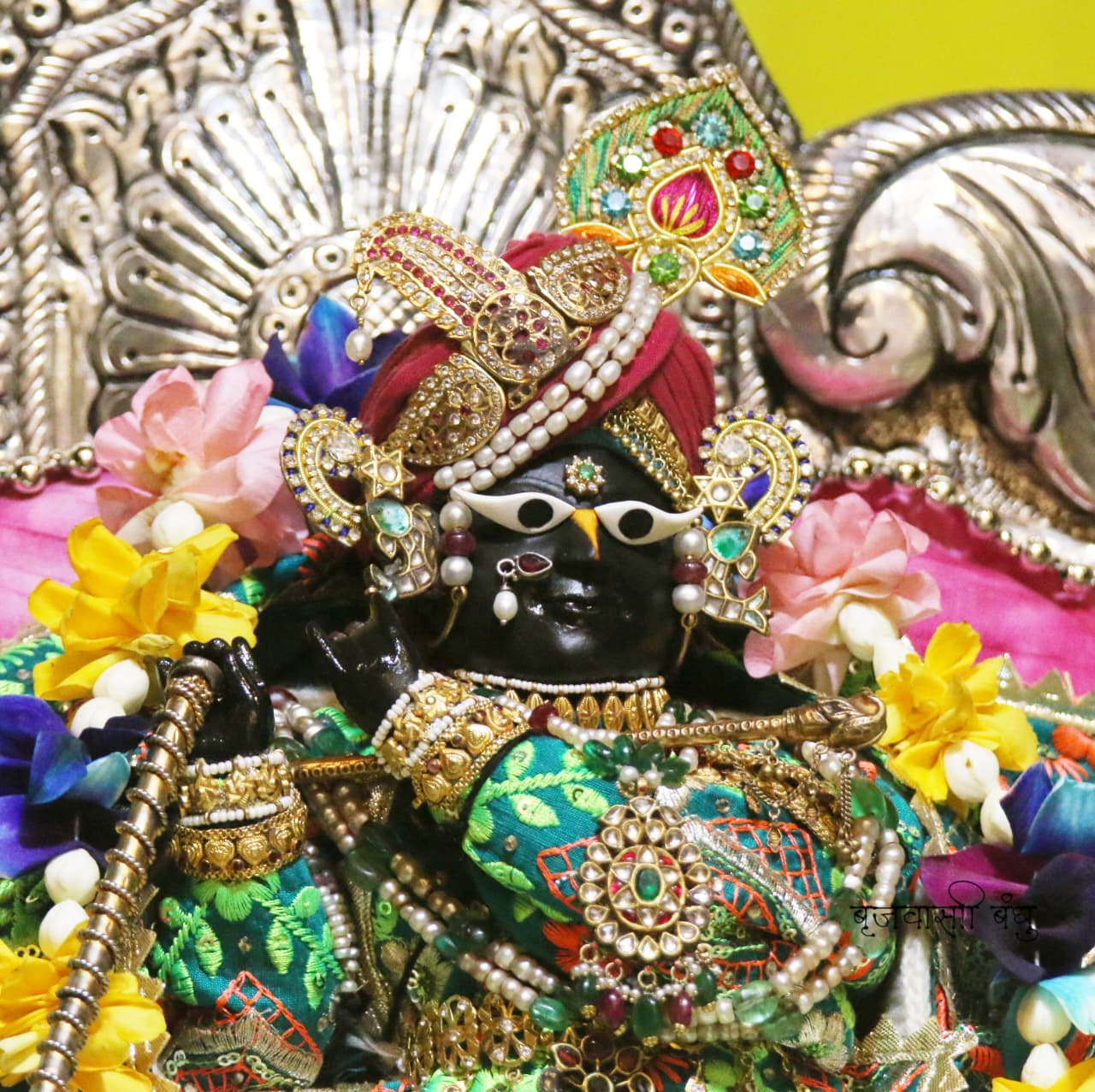
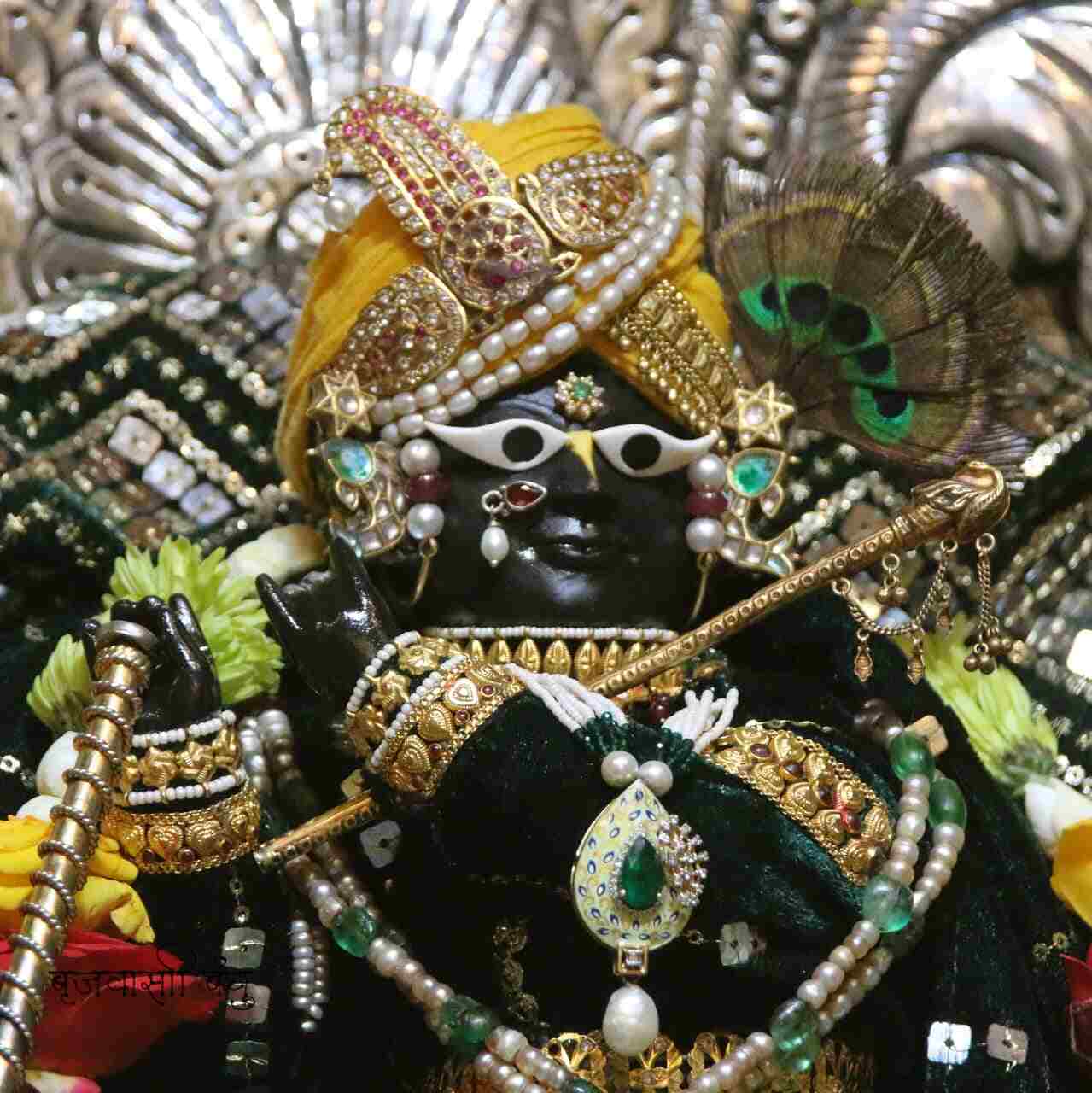
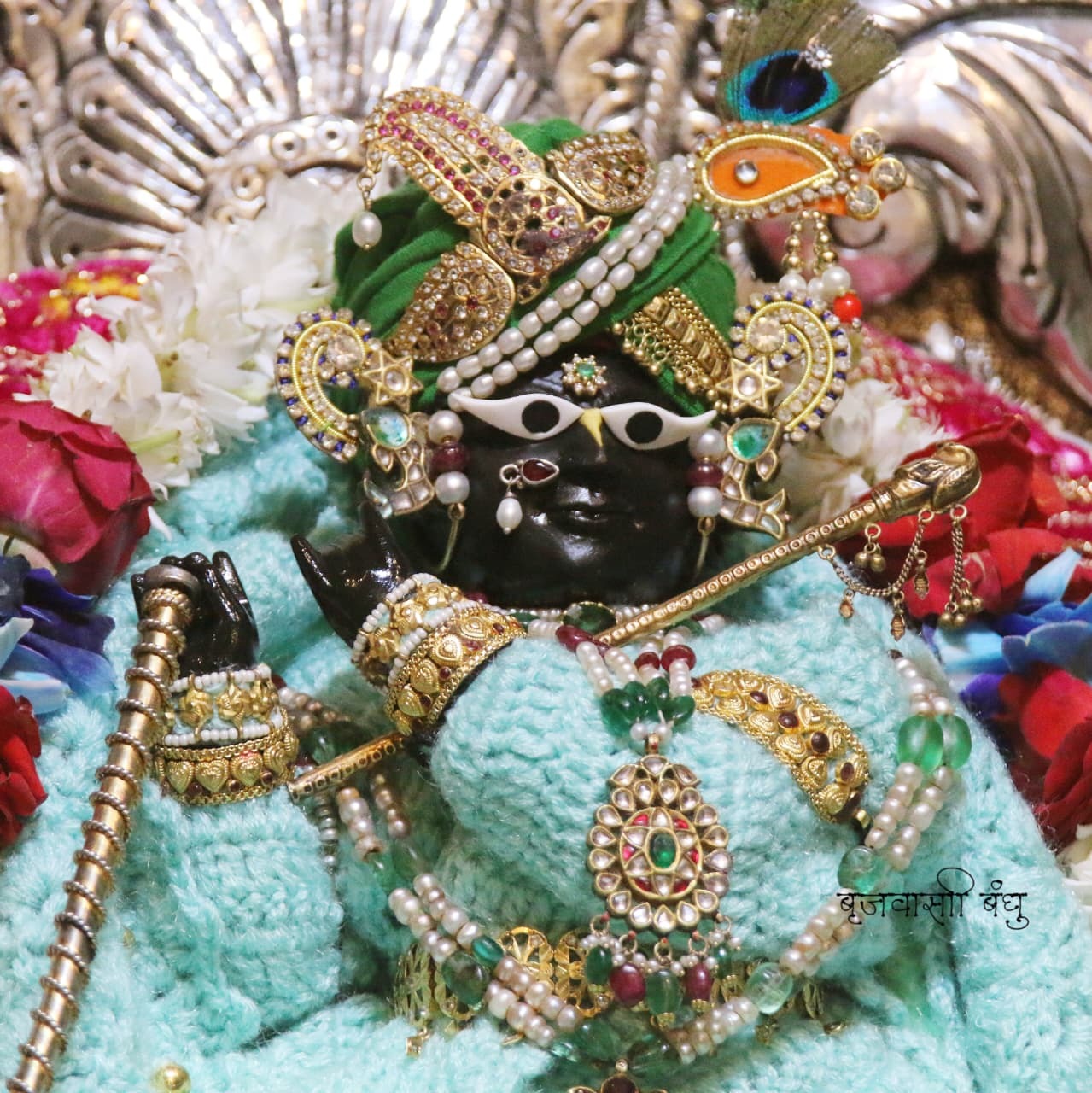
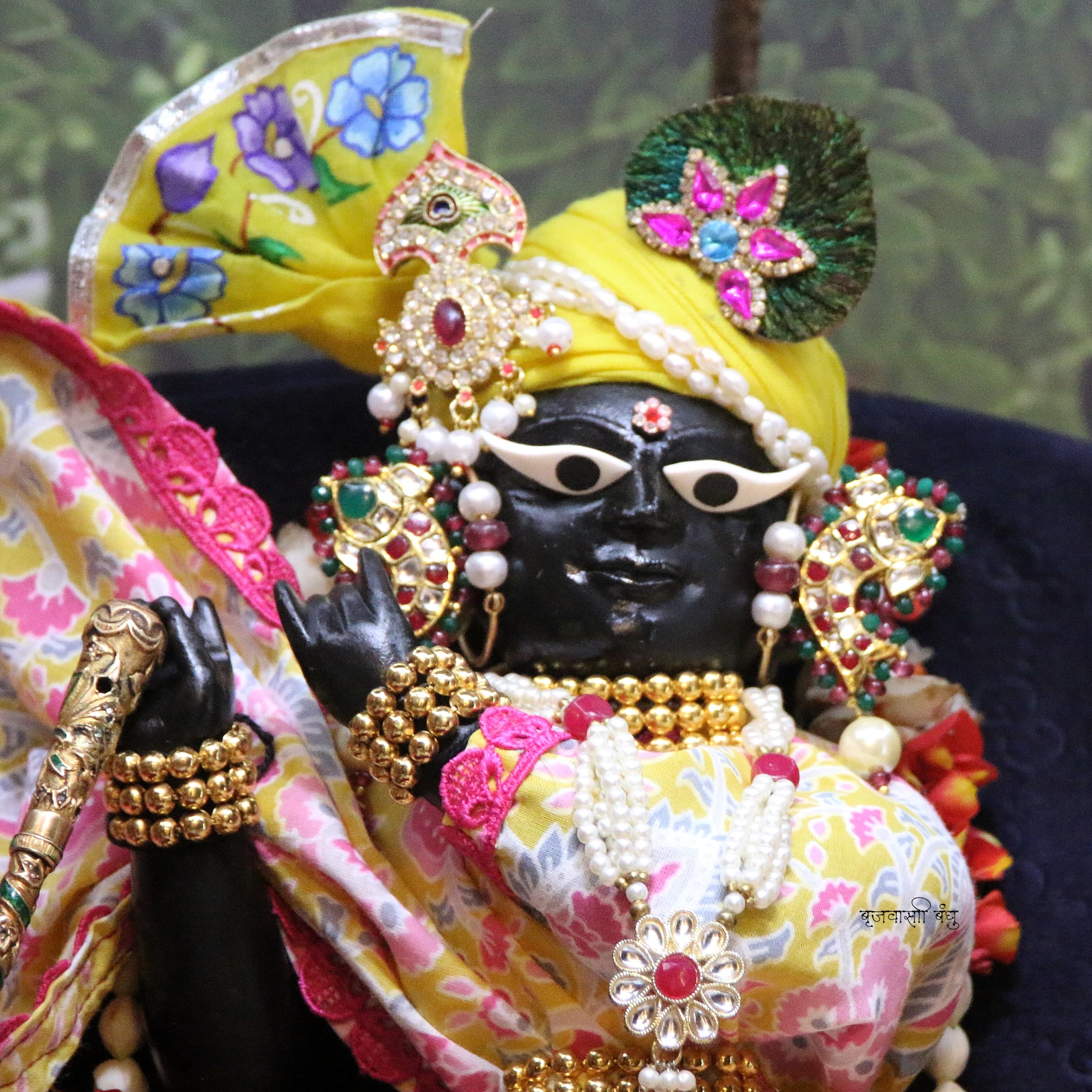
Many devotees share that darshan at Shri Radha Raman Ji Temple feels personal and transformative. The deity’s gentle expression and delicate features create a sense of presence that feels alive and compassionate.
This temple is especially meaningful for:
Devotees seeking inner peace
Spiritual seekers interested in Vaishnav philosophy
- Those wishing to experience Vrindavan beyond tourist crowds
It is a place where faith is felt, not displayed.
Visiting Shri Radha Raman Ji Temple
The temple is located in the historic area of Vrindavan and is easily accessible on foot from other major temples.
Best time to visit:
Early morning or evening aarti hours for a peaceful darshan.
Visitors are encouraged to maintain silence, dress modestly, and respect the traditional customs followed inside the temple.
Recent Blogs
Gallery
We make your dream more beautiful & enjoyful with lots of happiness.